
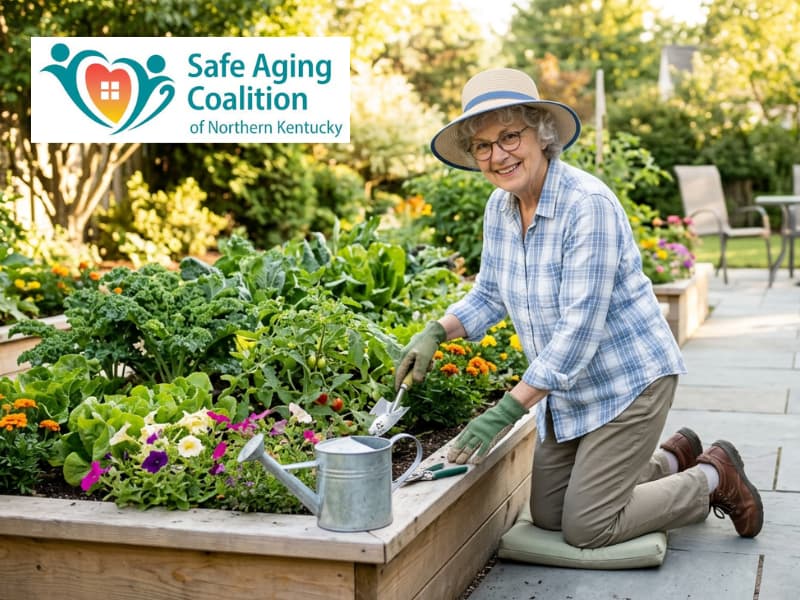
Gardening for Safer Aging: How Time Outdoors Supports Health and Prevents Falls
When it comes to healthy aging, staying active, engaged, and connected to your environment plays a major role in overall well-being. One activity that brings all of these benefits together is gardening. Whether it’s a small container garden on a porch or a shared space in a community garden, gardening offers older adults a meaningful way to support both physical and mental health—while also contributing to fall prevention.
At the Safe Aging Coalition of Northern Kentucky, we focus on practical, everyday ways to help older adults remain safe and independent in their homes and communities. Gardening is a perfect example of an activity that not only enriches life but also supports strength, balance, and awareness—key components in reducing fall risk.
Building Strength, Balance, and Mobility
Gardening naturally encourages gentle physical activity. Tasks like planting, watering, weeding, and harvesting require movement, stretching, and coordination. These actions help maintain muscle strength, joint flexibility, and balance over time.
For older adults, maintaining lower body strength and stability is especially important. Stronger muscles and better balance can significantly reduce the likelihood of falls. Even light gardening tasks can help improve mobility and confidence in movement, especially when done regularly.
Of course, safety should always come first. Using raised garden beds, lightweight tools, and proper footwear can make gardening safer and more accessible. Taking breaks and avoiding overexertion also helps prevent fatigue, which can increase fall risk.
Supporting Brain Health and Emotional Well-Being
Gardening is more than just physical activity—it also keeps the mind engaged. Planning what to plant, remembering watering schedules, and caring for different types of plants all stimulate cognitive function. This kind of mental engagement can help older adults stay sharp and focused.
In addition, gardening has been linked to reduced stress and improved mood. Spending time outdoors, connecting with nature, and seeing the results of one’s efforts can create a strong sense of purpose and accomplishment. These emotional benefits are important, as feelings of depression or isolation can sometimes lead to decreased activity levels and increased fall risk.
Encouraging Social Connection
Isolation is a common concern among older adults, and it can have a direct impact on both mental and physical health. Gardening offers opportunities to connect with others, whether through community gardens, neighborhood groups, or simply sharing tips and harvests with friends and family.
These social interactions can boost mood, provide encouragement, and create a sense of belonging. Staying socially active often leads to increased physical activity as well, which supports overall safety and independence.
Promoting Better Nutrition
Another benefit of gardening is access to fresh, nutritious foods. Growing fruits, vegetables, and herbs at home can make it easier and more enjoyable to maintain a healthy diet. Proper nutrition plays a key role in maintaining muscle strength, bone health, and energy levels—all of which contribute to fall prevention.
For older adults, having easy access to fresh produce can also reduce the need for frequent trips to the store, lowering exposure to potential hazards outside the home.
The Role of Sunlight and Vitamin D
Spending time outdoors in the garden provides natural exposure to sunlight, which helps the body produce vitamin D. This essential nutrient supports bone health and muscle function. Low levels of vitamin D have been associated with increased risk of fractures and falls.
While sunlight is beneficial, it’s important to take precautions. Wearing a wide-brimmed hat, applying sunscreen, and staying hydrated can help protect against heat and sun-related risks.
Simple Safety Tips for Gardening
To make gardening a safe and enjoyable activity, a few precautions can go a long way:
Choose a level, clutter-free gardening area to reduce tripping hazards
Use tools that are easy to grip and designed for comfort
Wear sturdy, non-slip shoes to improve stability
Stay hydrated and take breaks, especially in warm weather
Avoid working in poor lighting or extreme heat
Consider raised beds or seated gardening options to reduce strain
These simple adjustments align with the Coalition’s focus on creating safer environments and reducing risks both inside and outside the home.
Growing More Than Just Plants
Gardening offers older adults the opportunity to grow more than just flowers or vegetables—it helps cultivate strength, confidence, and independence. It encourages movement, supports mental wellness, and fosters meaningful connections with others.
At the Safe Aging Coalition of Northern Kentucky, we believe that safe aging is about more than avoiding risks—it’s about creating opportunities for healthy, active living. Gardening is one of those opportunities that brings joy while supporting safety.
By taking a thoughtful and proactive approach, older adults can enjoy the many rewards of gardening while staying safe, steady, and thriving in their daily lives.